

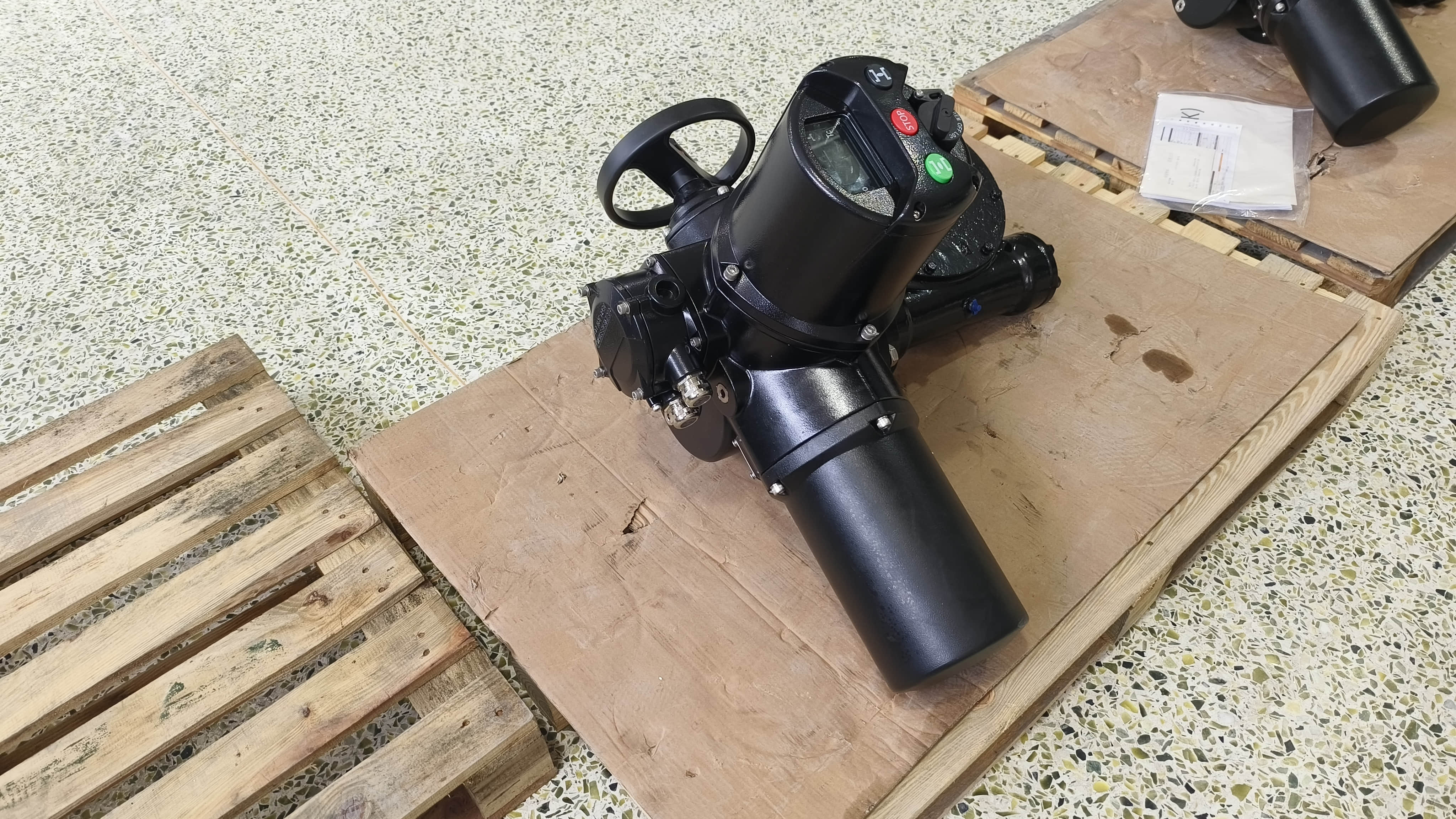
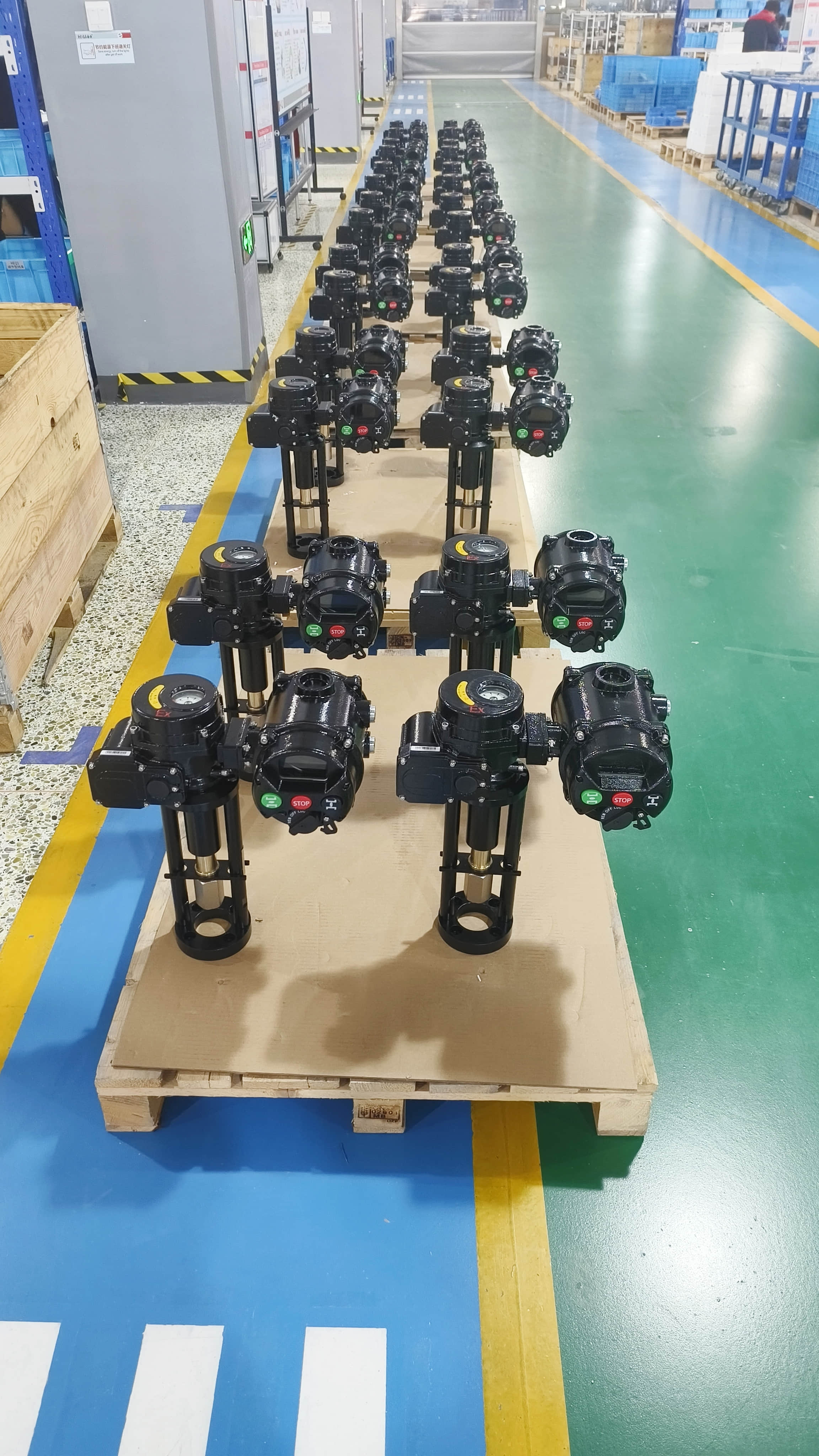
An Intelligent Integrated Electric Actuator (IIEA) is a highly sophisticated piece of equipment that integrates multiple components typically found in separate systems, including the electric motor, gear system, control electronics, sensors, and sometimes communication interfaces, all into one compact unit. This integration allows for more compact designs, greater operational efficiency, and enhanced capabilities compared to traditional actuators.
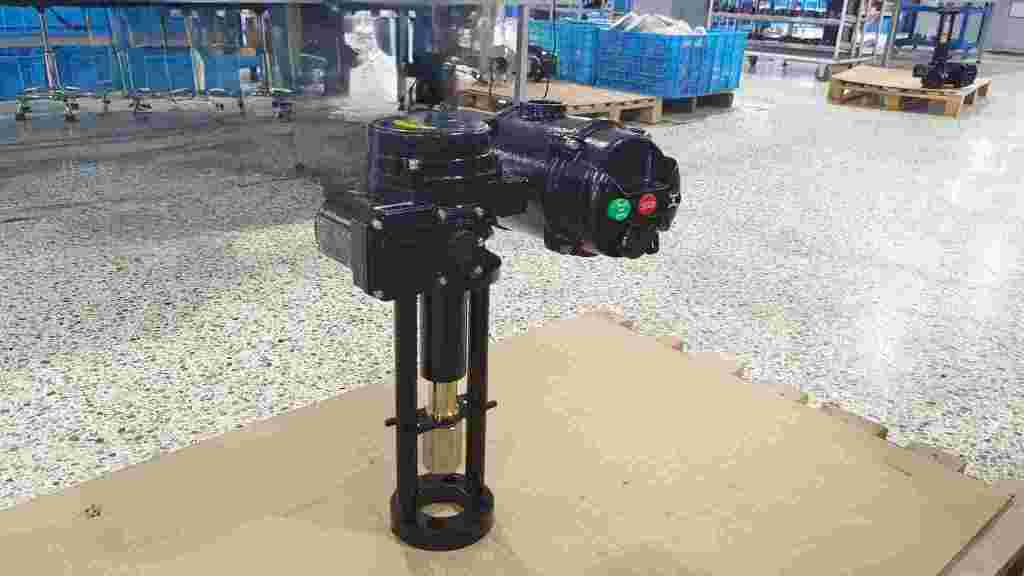
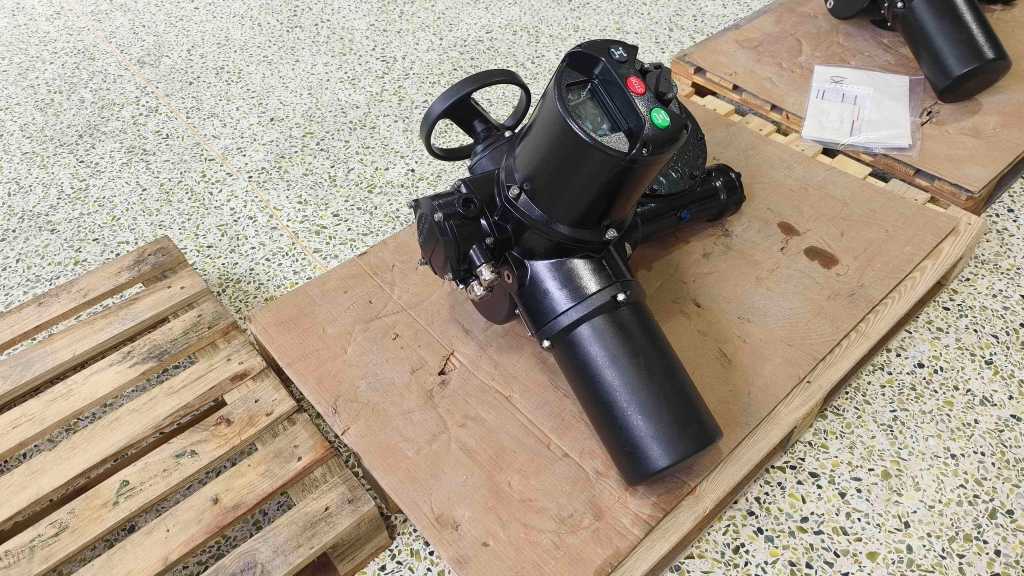
At the heart of the IIEA is its electric motor, which drives mechanical motion based on electrical input. This motor is coupled with a gear system that provides the necessary torque and speed control. The control electronics are responsible for interpreting external signals, often through communication protocols such as Modbus or CANopen, and converting them into commands for the actuator. Additionally, built-in sensors—such as position sensors, torque sensors, and temperature sensors—provide real-time feedback to the control unit, enabling adaptive behavior, predictive maintenance, and advanced diagnostics.
Key Advantages of Intelligent Integrated Electric Actuators
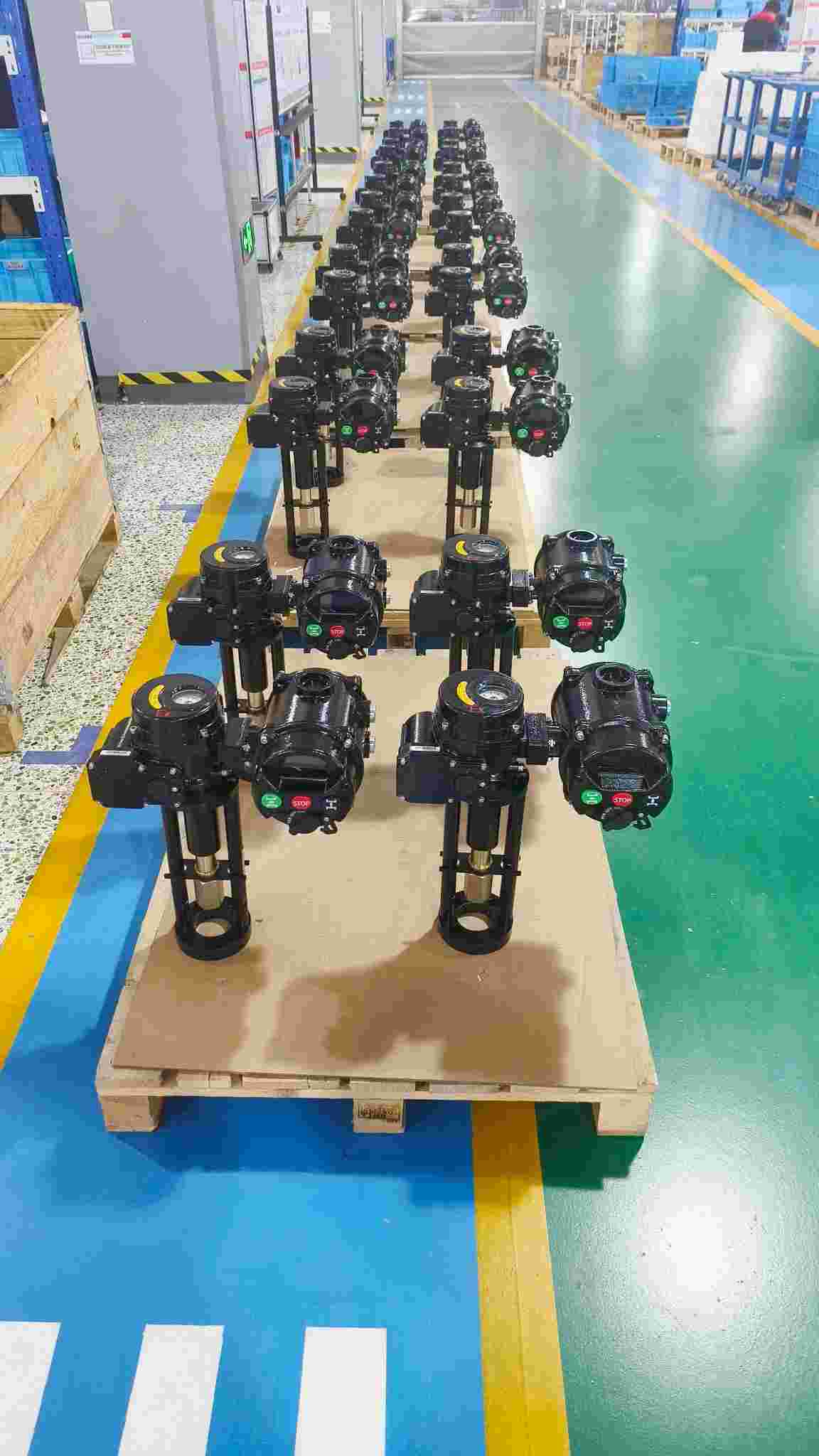
Compact and Integrated Design: Traditional actuation systems require separate components—motors, controllers, sensors, and actuators—that are often bulky and complex to integrate. By combining all these components into one system, the IIEA significantly reduces the space and wiring required, leading to a much simpler and more reliable installation.
 Chat Oline