

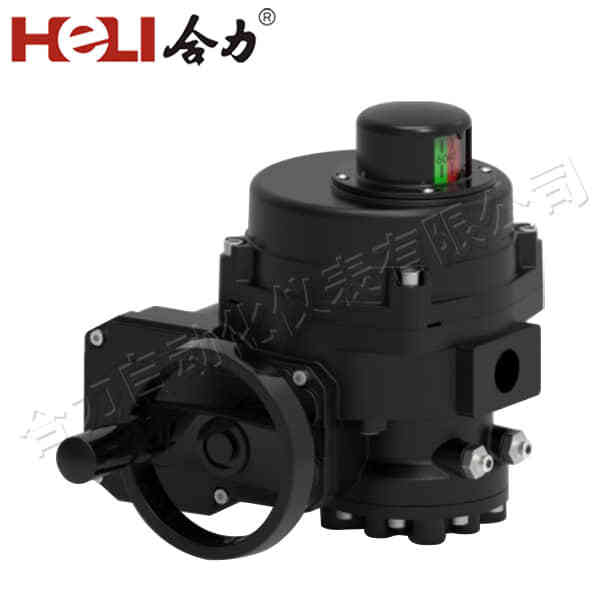
An electric actuator for valves is a device that uses electric power to control the movement of a valve. Unlike pneumatic or hydraulic actuators, which require external air or fluid pressure, electric actuators operate using electrical signals, making them more versatile and easier to integrate into automated systems. They can open, close, or modulate valves to regulate the flow of liquids, gases, or other substances in a controlled manner.
Electric actuators typically consist of a moto, a gear train, and a feedback system, which work together to ensure accurate positioning of the valve. The motor drives the gear train, which in turn moves the valve stem, and the feedback system continuously monitors the valve’s position, providing real-time data for system control.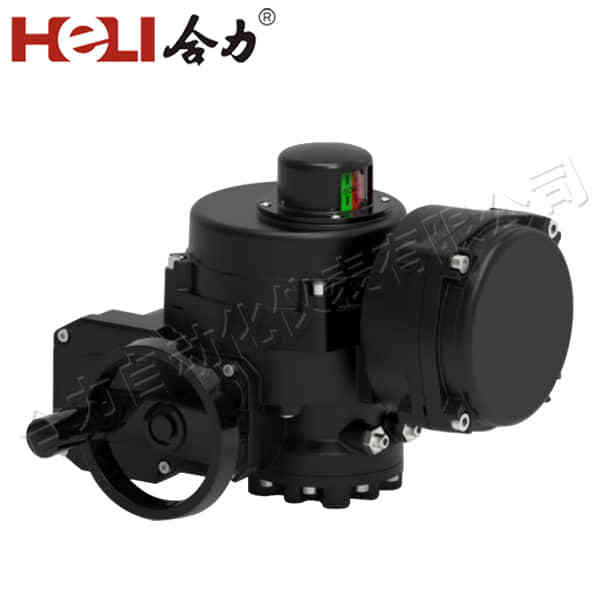
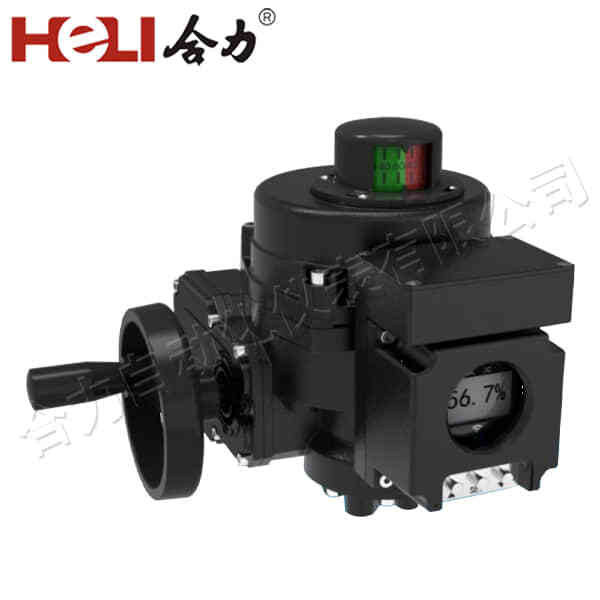
r Electric actuators for valves have become a crucial component in modern industrial automation systems. Their ability to precisely control the flow of fluids, gases, and other substances has made them indispensable in various industries, including water treatment, oil and gas, chemical processing, and HVAC systems. In this article, we will explore what electric actuators for valves are, their working principles, advantages, applications, and why they are increasingly preferred over traditional actuation systems.
What is an Electric Actuator for Valves?
 Chat Oline