

The WCB Electric Screw Ball Valve is an advanced control device that plays a crucial role in fluid regulation across various industries. Its unique design, combining electric actuation with the efficient ball valve mechanism, positions it as a reliable solution for modern automation needs. In this article, we will delve into the features, advantages, applications, and maintenance of the WCB Electric Screw Ball Valve.
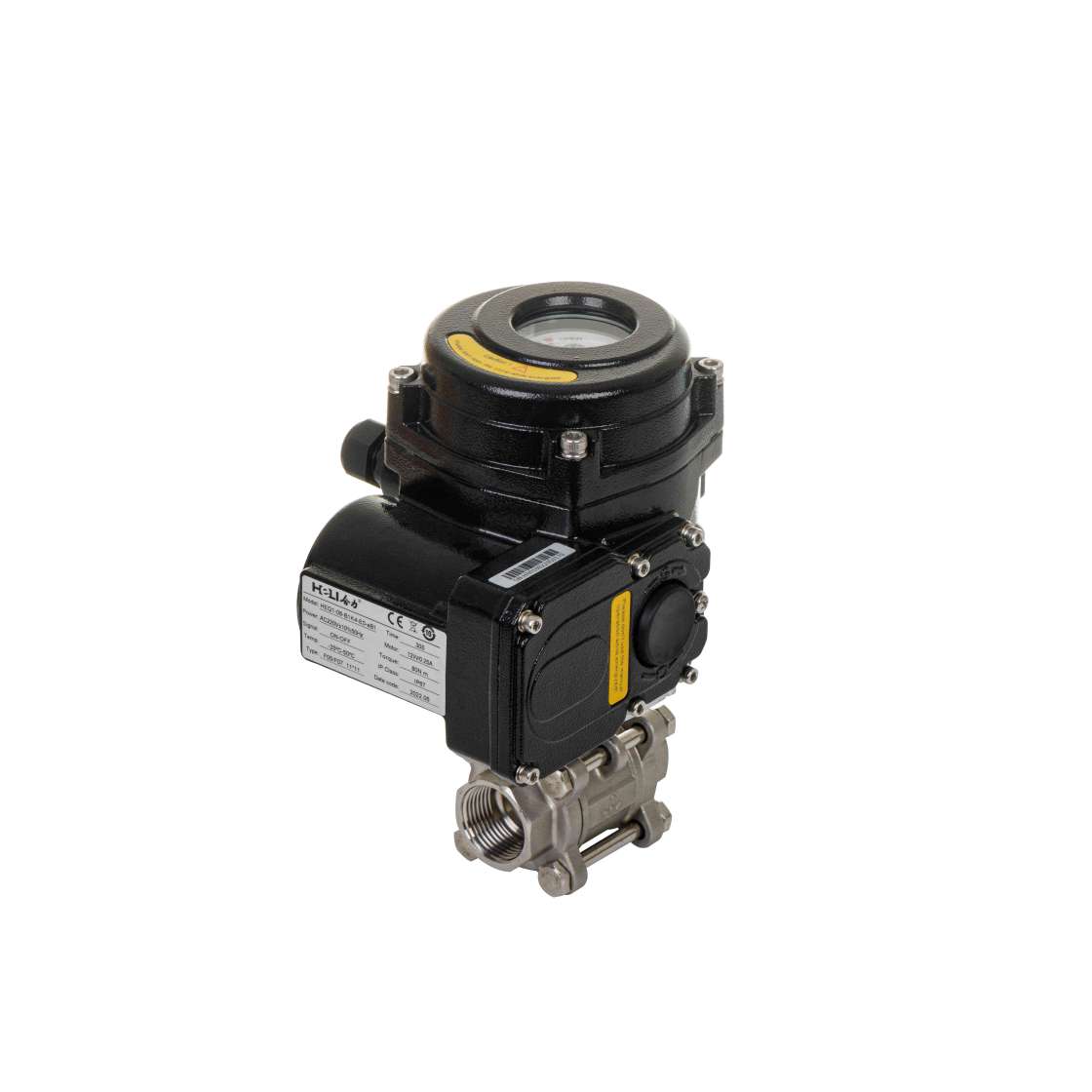
First and foremost, the term “WCB” stands for Wrought Carbon Steel, which indicates the material from which the valve body is constructed. Carbon steel is favored for its exceptional strength, durability, and resistance to corrosion, making it suitable for a wide range of industrial applications. The construction of the WCB Electric Screw Ball Valve typically features a spherical disk, or ball, that controls fluid flow by rotating within the valve body. This design allows for quick and effective shut-off capabilities and smooth flow regulation.
One of the most significant advantages of the WCB Electric Screw Ball Valve is its electric actuation system. The valve is equipped with an electric actuator that converts electrical signals into mechanical movements. This feature enables precise control over the valve operation, allowing for rapid opening and closing actions. The integration of electric actuation makes the valve well-suited for automation, as it can easily be interfaced with control systems, sensors, or PLCs (Programmable Logic Controllers). This functionality provides an edge in terms of operational efficiency, particularly in processes requiring real-time adjustments.

 Chat Oline